
Introduction
As global demand for natural and healthier sweeteners continues to rise, palm sugar has emerged as a top choice among importers, food manufacturers, and distributors. Known for its rich flavor, low glycemic index, and natural processing methods, Indonesian palm sugar is gaining traction in markets such as the USA, Europe, and the Middle East.
If you’re considering entering this growing market, understanding the import process is crucial. This guide will walk you through everything you need to know about importing palm sugar from Indonesia—from sourcing to shipping and compliance.
Why Import Palm Sugar from Indonesia?
Indonesia is one of the world’s leading producers of palm sugar. The country’s tropical climate, traditional farming methods, and abundant coconut and palm trees make it an ideal source for high-quality products.
Key advantages include:
- Consistent supply capacity for bulk orders
- Competitive pricing compared to other origins
- Variety of products (powder, block, liquid palm sugar)
- Growing number of certified organic producers
Additionally, many Indonesian exporters now comply with international standards, making it easier for buyers to meet their local import regulations.
Types of Palm Sugar Available for Export
Before importing, it’s important to understand the different types of palm sugar available:
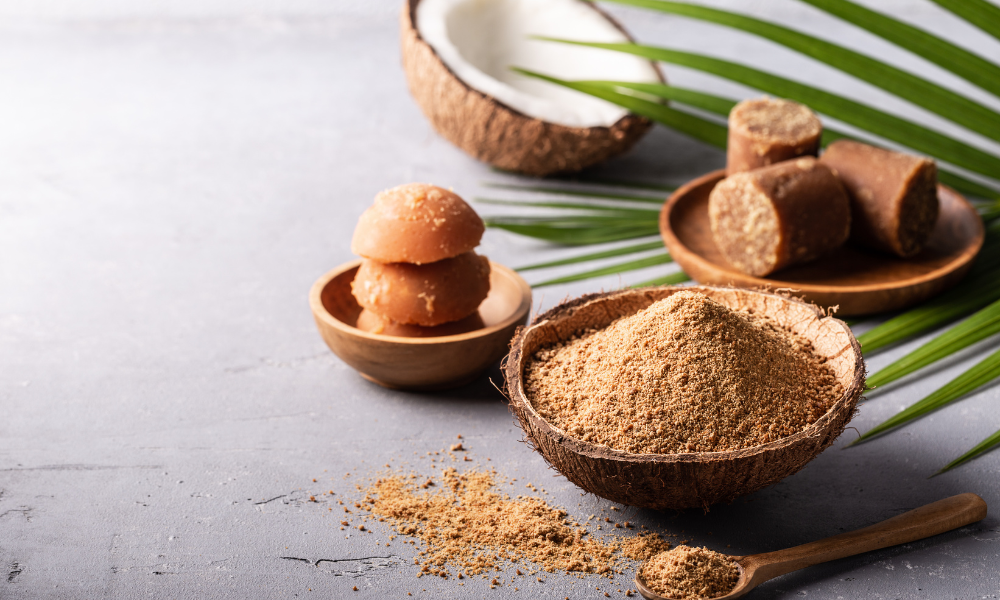
1. Palm Sugar Block (Traditional)
- Solid form, often molded into discs or cubes
- Popular in traditional cooking and food service
- Longer shelf life
2. Palm Sugar Powder
- Fine, granulated form
- Easy to use for beverages and food processing
- High demand in modern retail markets
3. Liquid Palm Sugar (Syrup)
- Used in sauces, beverages, and desserts
- Convenient for industrial applications
Choosing the right type depends on your target market and application.
Step-by-Step Guide to Importing Palm Sugar
Step 1: Find a Reliable Supplier
The most critical step is selecting a trustworthy exporter. Look for suppliers that offer:
- Clear product specifications
- Export experience
- Transparent communication
- Certifications (if required)
Request samples before committing to bulk orders to ensure quality meets your standards.
Step 2: Verify Certifications and Compliance
Depending on your country, you may need specific certifications, such as:
- Organic certification (EU Organic, USDA Organic)
- HACCP or food safety certification
- Halal certification
Make sure your supplier can provide all necessary documents to avoid customs delays.
Step 3: Understand Pricing and MOQ
Palm sugar is typically sold in bulk quantities, with Minimum Order Quantities (MOQ) depending on the supplier.
Pricing factors include:
- Product type (powder is usually higher value)
- Packaging (bulk vs retail-ready)
- Certification (organic products cost more)
- Shipping terms (FOB, CIF, etc.)
Always request a detailed quotation to avoid hidden costs.
Step 4: Choose the Right Shipping Term
The two most common Incoterms used are:
- FOB (Free on Board):
The supplier handles delivery to the port, and you manage shipping. - CIF (Cost, Insurance, Freight):
The supplier handles shipping and insurance to your destination port.
For new importers, CIF is often easier, while experienced buyers may prefer FOB for cost control.
Step 5: Arrange Shipping and Logistics
Palm sugar is usually shipped via sea freight in:
- 20-foot or 40-foot containers
- Packed in cartons, sacks, or private label packaging
Ensure proper packaging to protect against humidity and contamination during transit.
Step 6: Prepare Import Documents
Essential documents include:
- Commercial Invoice
- Packing List
- Bill of Lading
- Certificate of Origin
- Health Certificate (if required)
Work closely with your supplier and customs broker to ensure everything is in order.
Step 7: Customs Clearance and Delivery
Once the shipment arrives, your customs agent will handle clearance. After that, the goods are transported to your warehouse or distribution center.
Make sure you understand your country’s import duties and taxes beforehand to avoid unexpected expenses.
Quality Control Tips for Importers
Maintaining consistent product quality is key to building a successful business. Here are some tips:
- Always request pre-shipment inspection
- Check moisture content and texture
- Verify color and aroma consistency
- Ensure packaging meets your market standards
Building a long-term relationship with a reliable exporter can significantly reduce quality issues.
Private Label Opportunities
Many Indonesian exporters offer private label services, allowing you to:
- Build your own brand
- Customize packaging
- Target premium retail markets
This is a great opportunity for distributors and retailers looking to differentiate themselves in competitive markets.
Challenges to Consider
While importing palm sugar is a profitable opportunity, there are some challenges:
- Fluctuating supply due to weather conditions
- Quality inconsistency from small-scale producers
- Shipping delays during peak seasons
Working with experienced exporters can help minimize these risks.
Conclusion
Importing palm sugar from Indonesia offers a strong business opportunity driven by global demand for natural sweeteners. By understanding the sourcing process, ensuring compliance, and choosing the right supplier, you can build a reliable supply chain and grow your business successfully.
Whether you’re a distributor, food manufacturer, or retailer, Indonesian palm sugar provides both quality and value for long-term growth.